Reloading Accessories Buying guide
Best Digital Calipers (2026): Top 3 for Precise, Repeatable Reloading
The best digital calipers for 2026 — 3 top picks for reloading, precision, and value, with full specs, honest pros and cons, measuring tips, and plain-English buying advice.
Affiliate disclosure: As an Amazon Associate, Best Reloading Press earns from qualifying purchases. Links to Amazon in this article are affiliate links. How this works
Equipment only: We do not publish load data. Always follow current published data from reputable manuals and manufacturers. Safety disclaimer
Best Digital Calipers: Top 3 for Precise, Repeatable Reloading
Every safe, accurate handload depends on measuring right. A good set of digital calipers checks case length, overall length, and more — down to a thousandth of an inch. Here are the three best digital calipers, with honest pros, cons, and clear picks.
Here’s a rule every good reloader lives by: if you can’t measure it, you can’t trust it. Case length, cartridge overall length, bullet seating depth — these are safety and accuracy dimensions, and the only way to know them is to measure. A quality set of digital calipers gives you a clear number in seconds, down to a thousandth of an inch. 📐
In this guide you’ll get the best digital calipers picks for 2026, grouped by what matters most — best for reloading, best premium, and best value. For each one you’ll see plain-English specs, who it’s for, and the honest trade-offs. By the end, you’ll know exactly which calipers belong on your bench, with zero guesswork.
What Do Calipers Measure in Reloading?
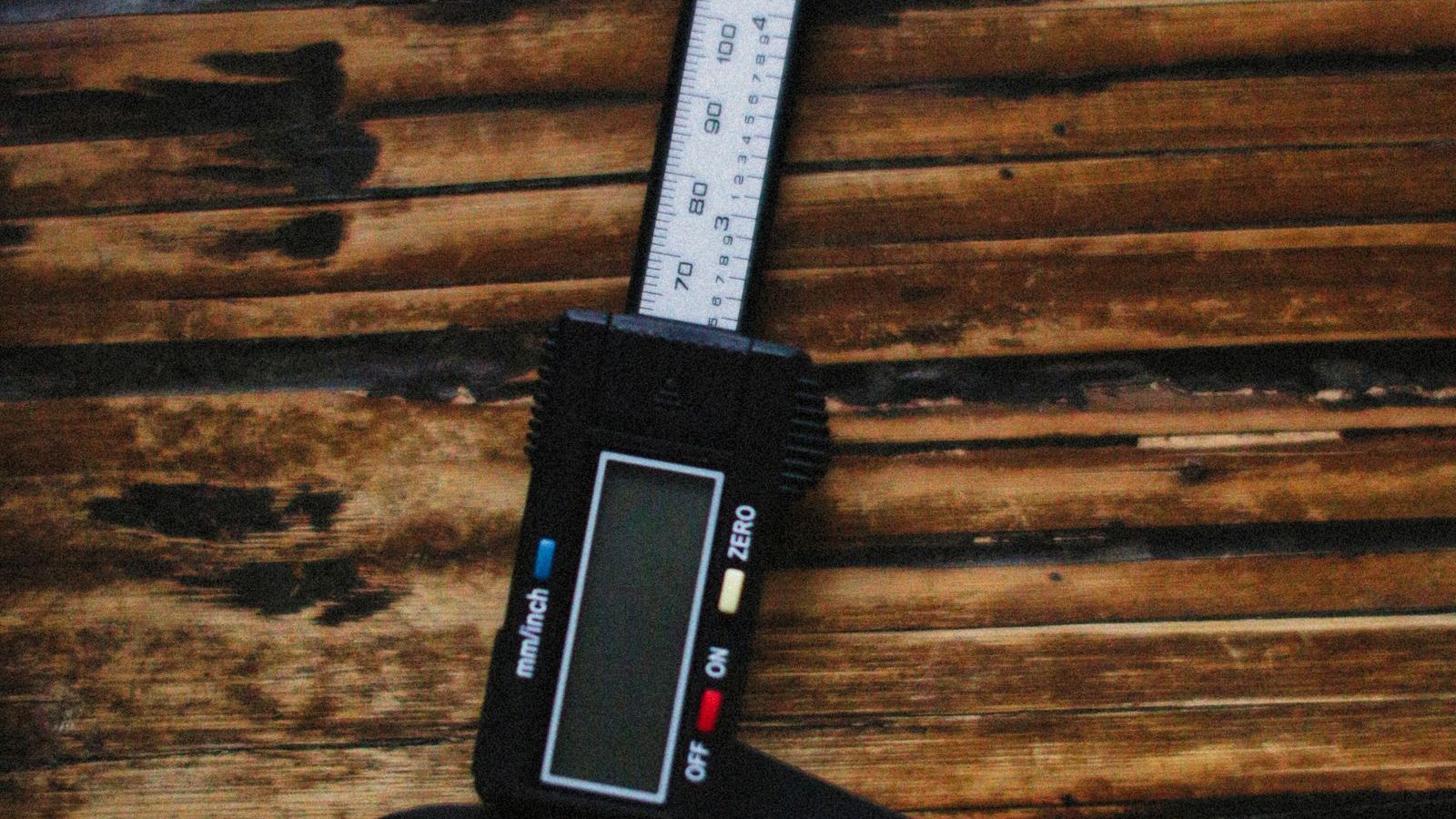
Digital calipers are a precision measuring tool that reads a length on a clear screen, usually to 0.0005 inch (half a thousandth) or 0.01 mm. In reloading, they’re the tool you reach for constantly — because so much of making good ammo comes down to hitting the right dimensions. They have jaws for outside measurements, jaws for inside measurements, and a depth rod, so one tool covers most bench tasks.
Here’s what you’ll actually measure with them. Case length tells you whether brass has grown past its safe maximum and needs trimming. Cartridge overall length (OAL) confirms your loaded rounds match published specs so they feed and chamber correctly. You’ll also check bullet seating depth, sort brass and bullets by length, measure case-head and neck dimensions, and confirm your dies are set where you want them.
Why does this matter so much? Because these numbers are safety and accuracy dimensions. A case that’s too long can raise pressure dangerously. Rounds loaded too long may not chamber; too short can affect pressure and feeding. And consistent OAL round-to-round is one of the simplest ways to tighten your groups. Calipers turn all of that from guesswork into a number you can trust.
Calipers are the reloader’s tape measure, ruler, and referee all in one. Almost every step you take at the bench gets checked with them — which is why a good pair is one of the first tools any handloader should buy.
The good news: you don’t need a machinist’s budget. Excellent digital calipers for reloading exist at every price, from affordable everyday units to premium tools that hold zero forever. Let’s look at the types, then the three best picks.
Digital vs. Dial vs. Vernier (Explained Simply)
Calipers come in three reading styles. Each trades ease of reading against batteries and price — for most reloaders, digital wins, but here’s the honest rundown.
1. Digital Calipers 🔢 (fast, clear, easy)
Digital calipers show the measurement as a plain number on an LCD screen, and most switch instantly between inches and millimeters. You can zero (reset to zero) at any position, which makes comparing measurements easy. They’re the fastest and most beginner-friendly to read, which is why they dominate reloading benches. The only trade-off: they need a small battery, and very cheap ones can be less consistent.
2. Dial Calipers 🕐 (no batteries, mechanical)
Dial calipers show the fine measurement on a small clock-style dial. They need no batteries and are loved by machinists for reliability, but reading them takes a little practice, and they’re inch-only or mm-only per tool. Great if you dislike batteries; slightly slower to read than digital.
3. Vernier Calipers 📏 (classic, cheapest, slowest)
Vernier calipers use two engraved scales you line up by eye to read the measurement. They’re the cheapest and never need batteries, and they last forever — but they’re the slowest and hardest to read, especially in low light. Most reloaders skip these in favor of digital for everyday speed.
The 3 Best Digital Calipers of 2026
These three calipers are the ones we’d hand to a friend without hesitation. Each is proven, widely available, and clearly the best at something specific. Prices change often, so tap any button to check today’s price and real buyer reviews on Amazon.
Hornady Digital Calipers
🏆 Best for ReloadingThe Hornady Digital Calipers are purpose-built for the reloading bench. They read to 0.0005 inch, switch instantly between inches and millimeters, and zero at any point for easy comparisons. The stainless-steel body is durable, the large LCD is easy to read, and the size and feel suit measuring brass and cartridges all day. Trusted by countless reloaders, they’re the sensible default choice.
| Type | Digital caliper |
| Resolution | 0.0005″ / 0.01 mm |
| Range | 0–6 inches (typical) |
| Units | Inch / mm switchable |
| Body | Stainless steel |
| Best use | Everyday reloading measurement |
✅ Pros
- Made for reloading tasks
- Accurate 0.0005″ resolution
- Instant inch/mm switching
- Durable stainless body
✖ Cons
- Needs a battery (like all digital)
- Not lab-grade like a Mitutoyo
Mitutoyo Absolute Digimatic Caliper
🎯 Best PremiumThe Mitutoyo Absolute Digimatic is the industry gold standard — the caliper machinists and serious precision handloaders trust above all others. Its Absolute encoder means it remembers zero even after being switched off, so you don’t re-zero every time, and its accuracy and repeatability are exceptional. Beautifully made and buttery smooth, it’s the “buy once” caliper for people who measure to the last thousandth.
| Type | Premium digital caliper |
| Resolution | 0.0005″ / 0.01 mm |
| Encoder | Absolute — remembers zero |
| Accuracy | Exceptional, lab-grade |
| Build | Premium, smooth action |
| Best use | Precision measurement, buy-it-for-life |
✅ Pros
- Gold-standard accuracy
- Absolute zero memory
- Superb build and feel
- Lasts a lifetime
✖ Cons
- Premium price
- More than casual loaders need
Frankford Arsenal Digital Caliper
💰 Best ValueThe Frankford Arsenal Digital Caliper proves accurate measuring doesn’t need a big spend. It reads to 0.0005 inch, switches between inches and millimeters, and comes in a protective case — everything a reloader needs at a friendly price. Lightweight, easy to read, and reliable for everyday brass and cartridge checks, it’s the classic budget caliper thousands of new reloaders start with.
| Type | Digital caliper |
| Resolution | 0.0005″ / 0.01 mm |
| Units | Inch / mm switchable |
| Included | Protective storage case |
| Value | Excellent budget price |
| Best use | Affordable everyday measuring |
✅ Pros
- Very affordable
- Accurate 0.0005″ reading
- Inch/mm switching
- Comes with a case
✖ Cons
- Not as refined as premium units
- Battery-dependent
How to Choose the Right Digital Calipers (Step by Step)
Picking calipers gets easy when you answer a few honest questions. Work through these in order and the right choice usually stands out.
- Insist on 0.0005″ resolution. That’s the reloading standard — half a thousandth of an inch. All three picks here read to it. Don’t accept coarser resolution for reloading work.
- Confirm inch/mm switching. Load data and specs come in both units, so instant switching prevents conversion mistakes. Every pick here does it.
- Weigh accuracy vs. budget. Want the most repeatable, buy-it-for-life tool? The Mitutoyo Absolute. Want a great bench caliper for less? The Hornady. Watching every dollar? The Frankford.
- Check the build and battery. A stainless body lasts; a common, easy-to-find battery (and auto-off to save it) is a plus. Keep a spare battery in the case.
- Get a storage case. Calipers are precision tools — a case protects the jaws and keeps them accurate. Most quality sets include one; if not, add it.
Steel vs. Plastic (Composite) Calipers
You’ll see cheap plastic/composite calipers too. They’re fine for rough checks and won’t scratch soft bullets, but they flex slightly and wear faster, so they’re less consistent for precision reloading. Stainless-steel calipers (like all three picks) are more rigid, more durable, and hold accuracy better — the right choice for measurements you rely on for safety.
Digital Caliper Comparison Table
Here are all three picks side by side so you can compare at a glance. Screenshot this for your next shopping trip. 📸
| Caliper | Resolution | Standout | Best For | Price Tier |
|---|---|---|---|---|
| Hornady Digital | 0.0005″ | Made for reloading | Best all-around | $$ Mid |
| Mitutoyo Absolute | 0.0005″ | Gold-standard accuracy + zero memory | Premium precision | $$$ Premium |
| Frankford Arsenal | 0.0005″ | Accuracy on a budget | Best value | $ Value |
How to Measure Right (Plain-English Guide)
Great calipers only help if you use them well. Here’s the simple routine for trustworthy reloading measurements.
- Zero before every session. Close the jaws fully and press zero. If it doesn’t read 0.000″, clean the jaws and try again — a speck of grit throws everything off.
- Measure case length on the case mouth. Stand the case between the jaws and read the length; compare it to the published maximum and trim-to-length in your manual.
- Measure OAL tip to base. Measure the loaded cartridge from the bullet tip to the case head to confirm it matches your published overall length.
- Use light, even pressure. Squeezing too hard reads short; too loose reads long. A gentle, consistent touch gives repeatable numbers.
- Take a couple of readings. Measure twice, and rotate the case a little between reads. Consistent numbers mean you can trust them.
Common Mistakes (And How to Fix Them)
Save yourself some frustration. These are the slip-ups new caliper owners make most — and the easy fixes.
❌ Mistake: Forgetting to zero the calipers.
✔ Fix: Close the jaws and press zero at the start of every session. An un-zeroed caliper quietly lies to you on every measurement.
❌ Mistake: Squeezing the jaws too hard.
✔ Fix: Use light, even pressure. Over-squeezing reads short and inconsistent. A gentle touch gives repeatable numbers.
❌ Mistake: Measuring with dirty or gritty jaws.
✔ Fix: Wipe the jaws before measuring. A tiny bit of grit or brass shaving throws off the reading by thousandths.
❌ Mistake: Trusting a reading you never verified.
✔ Fix: Check the caliper against a known standard now and then. Confirming accuracy means you can trust every measurement.
Pro Tips From the Bench
Real-Life Shooter Examples
Specs are useful, but here’s how these calipers fit real people — the kind of stories reloaders share online every day.
🔰 “The careful beginner.” Priya bought Hornady Digital Calipers with her first press. Checking case length and OAL on every batch gave her confidence her ammo was safe and in spec — and she credits the habit for a clean, trouble-free start to reloading.
🎯 “The precision obsessive.” Marcus sorts brass and measures seating depth to the thousandth for his match rifle. A Mitutoyo Absolute gives him readings he never second-guesses, and the zero memory means it’s always ready the instant he picks it up.
💰 “The budget starter.” Ben wanted accurate measuring without spending much. A Frankford Arsenal caliper and its case got him precise 0.0005″ readings for the price of a couple boxes of bullets — everything a new reloader needs to measure safely.
Notice the pattern: match the caliper to your needs. Everyday loaders love a solid reloading-focused set, precision shooters love gold-standard accuracy, and budget starters love affordable precision — every one measures safely.
Care & Accuracy Checks
Calipers are precision instruments, so a little care keeps them honest. Wipe the jaws and beam clean after use, store them in their case, and keep them away from grit and moisture. Don’t drop them — an impact can bend the jaws and ruin accuracy. Replace the battery before it dies completely to avoid odd readings.
Accuracy is everything here. Zero before each session, and periodically verify against a known standard (a gauge pin, gauge block, or a component of known dimension). If a reading ever seems off, re-zero, clean the jaws, and check again before trusting it. In reloading, a caliper you can’t trust is worse than none — so keep it clean, protected, and verified.
Smart add-ons to pair with your calipers: a spare battery, a storage case (if not included), a gauge pin or standard for accuracy checks, a case trimmer for when brass runs long, and a headspace/comparator gauge if you chase precision. Small tools that make every measurement count.
Frequently Asked Questions
What resolution do I need for reloading calipers?
0.0005 inch (half a thousandth) is the reloading standard, and all three picks here read to it. That’s precise enough for case length, OAL, seating depth, and sorting. Finer lab-grade resolution exists but isn’t necessary for handloading.
Digital, dial, or vernier — which should I buy?
For reloading, digital is the easy winner: instant numbers, inch/mm switching, and zero-anywhere convenience. Dial calipers are a good no-battery option if you prefer mechanical tools. Vernier calipers are cheapest but slowest to read — most reloaders skip them.
Are cheap calipers accurate enough for reloading?
A decent budget set like the Frankford Arsenal is plenty accurate for everyday reloading if you zero it and verify it. Very cheap plastic units flex and drift, so stick to a stainless digital caliper from a known maker. Verify any caliper against a known standard when it arrives.
Why does my caliper give different readings?
Usually one of three things: you forgot to zero, you’re squeezing with inconsistent pressure, or there’s grit on the jaws. Zero before each session, use a light even touch, and wipe the jaws clean. Do those and readings become rock-steady.
What’s the difference between the Hornady and Mitutoyo?
The Hornady is an excellent reloading-focused caliper at a mid price. The Mitutoyo Absolute is a premium, lab-grade tool with superior accuracy and a zero memory that survives being switched off. Both read to 0.0005″; the Mitutoyo is the choice when ultimate precision and repeatability matter most.
How much do good digital calipers cost?
Prices move constantly, so check the live figure on Amazon. Value calipers are very affordable, reloading-focused sets sit in the middle, and premium Mitutoyo units cost the most. Tap any “Check Price” button above for today’s number.
✅ Final Buyer’s Checklist
Ready to Pick Your Digital Calipers?
Run through this quick list before you buy — if you can check every box, you’ve made a great choice. 🎯
- My pick reads to 0.0005 inch — the reloading standard.
- It switches inch and mm instantly.
- It has a stainless body and a storage case.
- I’ll zero it before every session.
- I’ll verify accuracy against a known standard.
- I’ll compare readings to my manual’s published figures.
- I have a spare battery in the case.
Our one-line verdict: Get the Hornady Digital Calipers for the best all-around reloading set, the Mitutoyo Absolute for premium precision, or the Frankford Arsenal for the best value. Tap a button above to check today’s price on Amazon.
Affiliate disclosure: As an Amazon Associate, BestReloadingPress may earn from qualifying purchases made through links on this page, at no extra cost to you. We only recommend gear we believe offers real value. This guide covers equipment only and does not provide load data.
Was this page helpful?