Guide Buying guide
Reloading for Beginners: The Complete 2026 Starter Guide
New to reloading? This friendly step-by-step 2026 starter guide covers what reloading is, the essential gear, the 4-step process, which press to start on, and the golden safety rules — everything a beginner needs.
Affiliate disclosure: As an Amazon Associate, Best Reloading Press earns from qualifying purchases. Links to Amazon in this article are affiliate links. How this works
Equipment only: We do not publish load data. Always follow current published data from reputable manuals and manufacturers. Safety disclaimer
Reloading for Beginners: The Complete 2026 Starter Guide
New to reloading and not sure where to start? This friendly, step-by-step guide walks you through what reloading is, the gear you need, the process, and the safety rules — everything a total beginner needs to begin with confidence.
So you want to learn to reload your own ammunition — welcome! It might look intimidating at first, with its presses, dies, and unfamiliar words, but here’s the truth: reloading is a methodical, learnable skill that thousands of ordinary people pick up every year. Take it step by step and you’ll be turning out quality ammo before you know it. This reloading for beginners guide is your friendly starting point. 🔰
We’ll cover exactly what reloading is, the essential gear you need (and what you can skip), the loading process from start to finish, the safety rules that keep it fun, and a simple roadmap to your first rounds. No prior experience required — just curiosity and a willingness to be careful. Let’s get you started right.
What Is Reloading, Exactly?
Reloading (also called handloading) is the process of assembling your own ammunition from individual components instead of buying it factory-made. A cartridge is made of four parts: the case (the brass shell), the primer (the small igniter), the powder (the propellant), and the bullet or projectile. Reloading is simply the craft of putting these together correctly and safely — and reusing your fired brass cases so you’re not starting from scratch every time.
The beauty of it is that fired brass is reusable. After you shoot a factory round, the empty case can be cleaned, resized, and loaded again — often many times. That reusable case is the foundation of the whole hobby, both for the savings and for the satisfaction of making something with your own hands. At its heart, reloading is a careful, repeatable assembly process — not a mysterious dark art.
Think of reloading like following a precise recipe: use the right ingredients, in the right amounts, in the right order, every single time. Do that, and you’ll produce safe, consistent, quality ammunition.
Why Beginners Take Up Reloading
People come to reloading for a handful of reasons, and it helps to know yours — it’ll guide the gear you buy.
- 💵 To save money over time. Loading your own can cost less per round than factory ammo, especially for rifle and specialty calibers. (Want the honest math? See our companion post on whether reloading is worth it.)
- 🎯 For better accuracy. Handloads can be tuned to a specific firearm, producing tighter groups than off-the-shelf ammo — the top reason precision shooters reload.
- 📦 For availability. Keeping components on hand means you can keep shooting even when factory ammo is scarce.
- 🧠 For the hobby. Many reloaders simply love the hands-on craft — it’s relaxing, rewarding, and deepens their connection to shooting.
Whatever your reason, the beginner path is the same: learn the process, get the essential gear, and prioritize safety above all. Let’s tackle the two questions every newcomer asks first.
Is Reloading Safe? Is It Hard?
Is it safe? Yes — when you follow the rules. Reloading involves primers and powder, so it demands respect and attention, but millions of people do it safely by following published load data, double-checking their work, and never taking shortcuts. Safety in reloading comes from discipline and consistency, not luck. If you’re the kind of person who can follow a recipe carefully, you can reload safely.
Is it hard? Not really — it’s detailed, but not difficult. The individual steps are simple mechanical actions; the skill is in doing them consistently and paying attention. Most beginners load their first rounds successfully on day one with a good manual and a bit of patience. The learning curve is gentle, and the community is famously helpful. If you can be methodical, you can reload.
The Reloading Process in 4 Simple Steps
Here’s the whole process at a high level. Every reloaded cartridge goes through these four stages. (This is the process — for the actual powder charges and recipes, you’ll follow your manual.)
Prep the Case
Clean, resize, and de-prime the fired brass, then trim to length if needed.
Prime
Seat a fresh primer into the cleaned case, fully and squarely.
Charge
Add the correct powder charge from your manual, weighed and verified.
Seat the Bullet
Press the bullet to the correct depth to finish the cartridge.
That’s it — clean and resize, prime, charge, and seat. A single-stage press does one of these at a time; a turret or progressive press can do several in sequence. But the fundamental process is always these same four stages, and understanding them is 90% of “getting” reloading.
Essential Beginner Gear (and What You Can Skip)
You don’t need a bench full of tools to start. Here’s the essential beginner kit versus the nice-to-haves you can add later. 🧰
| Gear | What it does | Priority |
|---|---|---|
| Reloading press | The core tool that resizes cases and seats bullets | 🟢 Essential |
| Die set | Caliber-specific tools that shape the case and seat the bullet | 🟢 Essential |
| Reloading manual | Your recipe book and safety bible — read it first | 🟢 Essential |
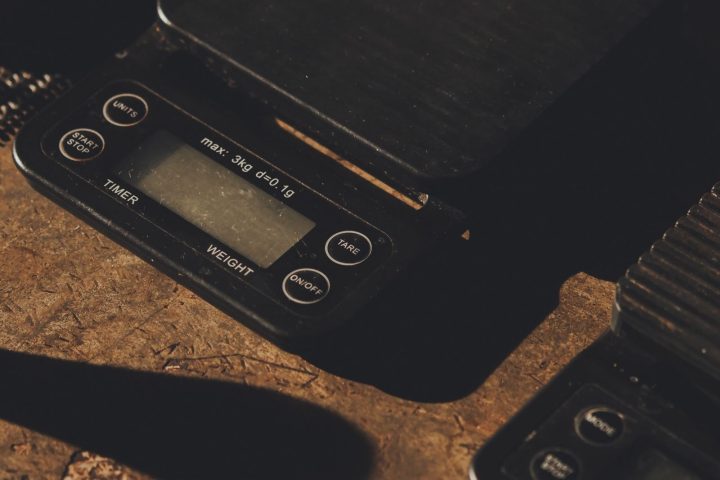
| Powder scale | Weighs each charge precisely — a safety must | 🟢 Essential |
| Shell holder | Holds the case in the press (caliber-specific) | 🟢 Essential |
| Calipers | Measures case and cartridge length | 🟡 Strongly recommended |
| Case tumbler | Cleans and polishes brass | 🟡 Recommended |
| Case trimmer | Trims cases back to spec length | 🟡 Add as needed |
| Powder measure/trickler | Dispenses powder quickly and precisely | 🔵 Nice to have |
The good news: a beginner starter kit (below) bundles most of the essentials into a single purchase, so you don’t have to shop for each piece separately. Add the recommended items as you grow.
2 Smart First Purchases for Beginners
If you buy just two things to start, make them these: an all-in-one starter kit to give you the tools, and a current reloading manual to teach you the process safely. Together they’re the perfect beginner foundation. Prices change often, so tap a button to check today’s price and reviews on Amazon.
Single-Stage Reloading Starter Kit
Best First Tool PurchaseThe classic beginner on-ramp. A single-stage starter kit bundles a press, scale, priming tool, powder handling, and basic accessories into one matched purchase — so you learn the fundamentals one clear step at a time. The single-stage press is the most beginner-friendly design: simple, precise, and the best way to truly understand each stage of reloading.
| Type | Single-stage starter kit |
| Includes | Press, scale, priming & powder tools |
| Skill level | Beginner-friendly |
| Learn value | Best for understanding each step |
| Die thread | Standard 7/8″-14 |
| Upgrade path | Add tools or a faster press later |
✅ Pros
- Matched tools in one box
- Easiest way to learn
- Precise and forgiving
- Grows with you
✖ Cons
- Slower than turret/progressive
- You’ll still buy components & dies
Current Reloading Manual / Handbook
Read This FirstThe most important thing a beginner can own — more important than any single tool. A current reloading manual is your recipe book and your safety bible: it explains the whole process in depth and provides the published, tested load data you must follow. Read it before you load a single round. It’s the foundation every safe reloader starts from.
| Type | Reloading manual / handbook |
| Provides | Process guidance & published load data |
| Skill level | Beginner through advanced |
| Why essential | Safety & correct recipes |
| When to use | Before and during every load |
| Editions | Buy the newest available |
✅ Pros
- Teaches the whole process
- Provides safe, tested data
- Reference for years
- Cheapest safety you can buy
✖ Cons
- Must buy a current edition
- Requires actually reading it
Which Press Should a Beginner Start On?
The press is your core tool, and beginners often ask which type to start with. Here’s the honest breakdown of the three main types. 📊
| Press type | Speed | Ease for beginners | Best for a beginner who… |
|---|---|---|---|
| Single-stage | Slowest | 🟢 Easiest to learn | Wants to truly understand each step (recommended start) |
| Turret | Medium | 🟡 Still beginner-friendly | Wants easy learning plus more speed |
| Progressive | Fastest | 🔴 Steeper curve | Is high-volume and willing to learn more upfront |
For most beginners, a single-stage press is the ideal starting point — it does one operation at a time, so you learn each stage clearly and make fewer mistakes. A turret press is a great “grow-into-it” option that’s still easy but faster. Most experts suggest saving a progressive press for after you’ve mastered the basics, since it does everything at once and is less forgiving of beginner errors.
Your First-Rounds Roadmap
Here’s the exact order to go from curious to loading your first rounds — safely and confidently.
- Read a manual first. Buy a current reloading manual and read its “how-to” section cover to cover before buying anything else. This is your foundation.
- Get your gear. Buy a single-stage starter kit, a die set for your caliber, and the matching shell holder. The kit covers most essentials.
- Set up a clean, dedicated space. Mount your press to a sturdy bench in a well-lit, distraction-free area. Organize your components safely.
- Practice with dummy rounds. Assemble a few cases without powder or primer to learn the mechanics of resizing and seating first.
- Load your first live rounds — slowly. Follow your manual’s data exactly, weigh every powder charge, and double-check each step. Start with the manual’s starting loads.
- Inspect, then test carefully. Visually check every finished round, then test a small batch. Take notes and refine as you learn.
Notice that the first item on the roadmap isn’t a tool — it’s knowledge. That ordering is deliberate. Beginners who buy gear before they understand the process tend to get frustrated or, worse, careless. Beginners who read first, practice with inert dummy rounds, and load their first live batch slowly almost always succeed on the first try. There’s no prize for rushing: a methodical first month builds habits that keep you safe and consistent for the rest of your reloading life. Treat those early sessions as learning, not production, and the speed will come naturally once the fundamentals are second nature.
The Golden Safety Rules
Print these, tape them to your bench, and never break them. They’re what keep reloading safe and enjoyable. 🛡️
Common Beginner Mistakes (And How to Fix Them)
Every beginner is tempted by these — here’s how to avoid the classic slip-ups.
❌ Mistake: Skipping the manual and jumping straight to loading.
✔ Fix: Read a current manual’s how-to section first. It’s the cheapest, most important safety investment you’ll make.
❌ Mistake: Starting on a progressive press to “save time.”
✔ Fix: Learn on a single-stage first. It teaches each step clearly and is far more forgiving of beginner errors. Add speed later.
❌ Mistake: Eyeballing or rushing the powder charge.
✔ Fix: Weigh every charge on a verified scale and cross-check against your manual. This is the one step you never rush.
❌ Mistake: Reloading while distracted or in a cluttered space.
✔ Fix: Set up a clean, dedicated, well-lit spot and reload only when you can give it full attention. Focus is safety.
Pro Tips for New Reloaders
Real-Life Beginner Examples
Here’s how three real newcomers got started — the kind of journeys shared in reloading circles every day.
🔰 “The careful learner.” Elena bought a manual, read it twice, then got a single-stage kit. She practiced with dummy rounds for a week before loading live — and made a flawless first batch. Slow and careful won the day.
💵 “The budget starter.” Tom wanted to save on rifle ammo. He started with an affordable single-stage kit and one caliber, kept a logbook, and gradually added tools. A year later he had a capable bench built one paycheck at a time.
🎯 “The precision seeker.” Maya wanted tighter groups. She learned the fundamentals on a single-stage, mastered consistent technique, and only then began fine-tuning — proving that good beginners become good precision loaders.
The pattern behind every success: read first, start simple, go slow, and respect the process. Beginners who do those four things almost never look back.
FAQ + Final Take
Is reloading hard for a complete beginner?
No — it’s detailed, not difficult. The steps are simple mechanical actions; the skill is doing them consistently and carefully. With a good manual and a single-stage press, most beginners load their first rounds successfully right away. If you can follow a recipe carefully, you can reload.
What’s the first thing I should buy?
A current reloading manual — even before a press. It teaches the whole process and provides the safe, published load data you must follow. After that, a single-stage starter kit and a die set for your caliber are the natural next purchases.
What press should a beginner start with?
A single-stage press. It does one operation at a time, so you learn each stage clearly and make fewer mistakes. A turret press is a fine, slightly faster alternative. Most experts suggest saving a progressive press until after you’ve mastered the basics.
Is reloading safe if I follow the rules?
Yes. Millions reload safely by following published load data, weighing every powder charge, keeping a focused workspace, and inspecting their work. Safety comes from discipline and consistency. Never use unverified data or eyeball a charge, and always wear eye protection.
Do I need a lot of expensive gear to start?
No. A starter kit bundles most essentials — press, scale, priming, and powder tools — into one affordable purchase. Add a die set and shell holder for your caliber, plus a manual, and you’re ready. You can add recommended tools like calipers and a tumbler as you grow.
How many times can I reuse brass?
Often many times, depending on the caliber, pressure, and how well you care for the brass. Inspect each case for cracks or signs of wear before reloading, and retire any that look damaged. Reusable brass is a big part of what makes reloading economical.
Your Reloading Journey Starts Here
Reloading is a learnable, rewarding, and safe hobby when you start the right way. Read first, start simple on a single-stage, follow published data, and respect the process. Do that and you’ll be loading quality ammo with confidence. 🔰
- I’ll read a current manual before loading anything.
- I’ll start with a single-stage starter kit and one caliber.
- I understand the 4-step process: prep, prime, charge, seat.
- I’ll weigh every powder charge and follow published data.
- I’ll set up a clean, focused workspace.
- I’ll go slow, keep a logbook, and ask the community when unsure.
Bottom line: Grab a reloading manual and a single-stage starter kit, and you have everything a beginner needs to begin safely. Tap a button above to check today’s prices on Amazon.
Affiliate disclosure: As an Amazon Associate, BestReloadingPress may earn from qualifying purchases made through links on this page, at no extra cost to you. We only recommend gear we believe offers real value. This guide covers equipment and process only and does not provide load data — always follow a current published reloading manual.
Was this page helpful?