Case Preparation Buying guide
Best Brass Tumbler (2026): Top 3 Case Cleaners for Spotless Brass
The best brass tumbler for 2026 — 3 top case cleaners covering wet, dry, and budget options, with full specs, honest pros and cons, and plain-English buying advice.
Affiliate disclosure: As an Amazon Associate, Best Reloading Press earns from qualifying purchases. Links to Amazon in this article are affiliate links. How this works
Equipment only: We do not publish load data. Always follow current published data from reputable manuals and manufacturers. Safety disclaimer
Best Brass Tumbler: Top 3 Case Cleaners for Spotless, Reload-Ready Brass
Dirty brass makes gritty sizing, worn dies, and ugly ammo. A good brass tumbler turns range pickups into shiny, reload-ready cases while you do something else. Here are the three best brass tumblers — with honest pros, cons, and clear picks.
Clean brass isn’t about looks — it’s about smooth, safe reloading. Grit on a case scratches your dies, makes sizing feel rough, and hides cracks you need to see. A brass tumbler fixes all of that: toss in your fired cases, switch it on, and come back to clean, inspection-ready brass. ✨
In this guide you’ll get the best brass tumbler picks for 2026, grouped by what matters most — best wet tumbler, best dry vibratory, and best budget starter. For each one you’ll see plain-English specs, who it’s for, and the honest trade-offs. By the end, you’ll know exactly which tumbler fits your bench and budget, with zero guesswork.
What Does a Brass Tumbler Actually Do?
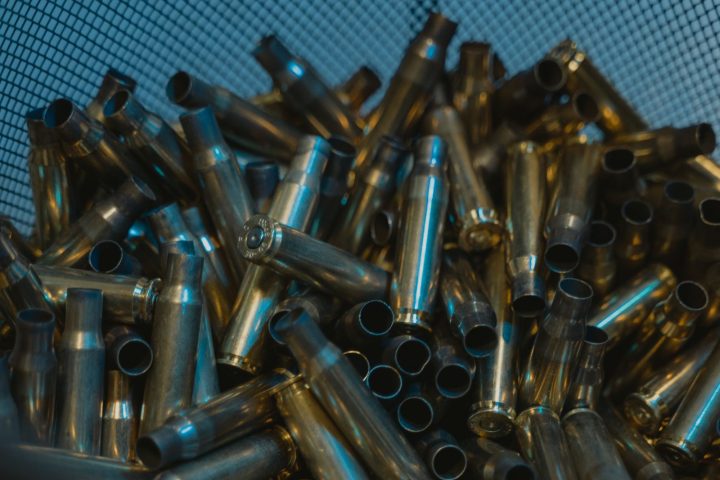
A brass tumbler is a motorized cleaner for fired cartridge cases. You load it with brass and a cleaning media — crushed walnut shell, corn cob, or stainless steel pins in water — and the machine agitates everything together. The gentle, constant rubbing scrubs away carbon, range dirt, and tarnish until your cases come out clean and bright.
Why bother? Three practical reasons. First, clean brass protects your dies — grit is sandpaper, and every dirty case you size drags that sandpaper through a precision tool. Second, clean brass is easier to inspect — cracks, splits, and case-head issues hide under grime but jump out on a clean surface. Third, clean brass runs smoother — it sizes with less effort, feeds better, and simply makes the whole loading session nicer.
Tumblers are wonderfully hands-off. Unlike scrubbing cases one at a time, you pour in a batch, set a timer, and walk away. An hour or three later (depending on the type), you have a bin of brass that looks factory-new. For anyone who shoots and picks up their brass, it’s one of the most satisfying tools on the bench.
Think of a tumbler as the washing machine of your reloading room. Nobody scrubs shirts by hand anymore — and once you own a tumbler, you’ll never scrub brass again either.
There are two main ways tumblers clean — wet and dry — and the choice between them shapes everything else. Let’s break that down in plain English.
Wet vs. Dry Tumbling (Explained Simply)
Both methods get brass clean. They differ in how deep they clean, how long it takes to finish, and how much mess is involved.
1. Dry Vibratory Tumbling 🌰 (simple and classic)
A dry tumbler is a bowl that vibrates. You fill it with crushed walnut or corn cob media, drop in your brass, and let it hum for two to four hours. The media polishes the outside of the cases as they slowly churn. When done, you separate brass from media and load. It’s simple, cheap to run, and the brass comes out dry and ready immediately — no drying time.
2. Wet Tumbling with Stainless Pins ✨ (the deep clean)
A wet rotary tumbler is a sealed drum that rotates. Inside go your brass, water, a squirt of cleaning solution, and thousands of tiny stainless steel pins. The pins reach inside the cases and even into primer pockets, scrubbing everywhere. Brass comes out looking brand new — often shinier than factory. The trade-offs: you handle water and cleaning solution, you separate pins afterward, and the brass must dry fully before loading.
| Feature | Dry Vibratory | Wet Rotary (Pins) |
|---|---|---|
| Clean level | Outside shine | Inside + outside + primer pockets |
| Time to loadable brass | 2–4 hrs, ready right away | 2–4 hrs + drying time |
| Mess | Some dust | Water & pin separation |
| Running cost | Cheap media refills | Pins last ~forever, solution cheap |
| Best for | Speed & simplicity | Deepest clean, like-new brass |
The 3 Best Brass Tumblers of 2026
These three tumblers are the ones we’d hand to a friend without hesitation. Each is proven, widely available, and clearly the best at something specific. Prices change often, so tap any button to check today’s price and real buyer reviews on Amazon.
Frankford Arsenal Platinum Series Rotary Tumbler
🏆 Best Wet TumblerThe Frankford Arsenal Platinum Series Rotary Tumbler is the wet-tumbling standard for home reloaders. Its 7-liter sealed drum swallows up to about 1,000 pieces of 5.56 brass, and with stainless pins and a capful of solution it delivers the famous “better than new” shine — inside, outside, and primer pockets. The dual rubber-lined drum runs quietly, and the kit comes ready to go.
| Type | Wet rotary (stainless pins) |
| Capacity | 7 L — roughly 1,000 pcs .223 |
| Cleans | Inside, outside, primer pockets |
| Noise | Low — rubber-lined drum |
| Included | Drum, pins, sifting caps |
| Best use | Deep-clean batches, like-new brass |
✅ Pros
- Cleans primer pockets & case interiors
- Huge batch capacity
- Quiet, sealed, leak-resistant drum
- Pins last practically forever
✖ Cons
- Brass needs drying before loading
- Pin separation adds a step
Lyman Turbo Pro 1200 Vibratory Tumbler
🌰 Best Dry TumblerThe Lyman Turbo Pro 1200 is the dependable dry vibratory that has polished brass on countless benches. Its bowl handles about 350 pieces of .38 Special (or a healthy batch of rifle brass), and the built-in sift-lid makes separating media fast and mess-free. Load it with treated walnut or corn cob, flip the switch, and your brass is clean and immediately ready to load — no drying, no water, no fuss.
| Type | Dry vibratory bowl |
| Capacity | ~350 pcs .38 Special class |
| Media | Walnut or corn cob |
| Separation | Built-in sift-lid |
| Ready time | Immediately after cycle |
| Best use | Fast, simple everyday cleaning |
✅ Pros
- Brass is dry and load-ready instantly
- Simple — pour, run, sift, done
- Sift-lid speeds media separation
- Proven, durable design
✖ Cons
- Doesn’t clean primer pockets
- Media makes some dust
Frankford Arsenal Quick-N-EZ Case Tumbler
💰 Best Budget StarterWant clean brass without a big spend? The Frankford Arsenal Quick-N-EZ is the classic budget vibratory that gets the job done. It holds a solid batch of pistol or rifle brass, runs on any bench corner, and pairs perfectly with inexpensive walnut media. It’s the “just get started” tumbler thousands of reloaders began with — simple, effective, and friendly to your wallet.
| Type | Dry vibratory bowl |
| Capacity | ~600 pcs 9mm / 175 pcs .223 |
| Media | Walnut or corn cob |
| Footprint | Compact — fits any bench |
| Value | Excellent entry price |
| Best use | First tumbler, easy batches |
✅ Pros
- Very affordable entry point
- Simple one-switch operation
- Compact bench footprint
- Pairs with cheap media
✖ Cons
- No built-in sifter (separator sold separately)
- Outside shine only, like all dry tumblers
How to Choose the Right Brass Tumbler (Step by Step)
Picking a tumbler gets easy when you answer a few honest questions. Work through these in order and the right choice usually stands out.
- Pick your clean level. Want like-new brass inside and out? Wet with pins (Platinum Series). Happy with a bright outside and same-day loading? Dry vibratory (Lyman or Quick-N-EZ).
- Match capacity to your batches. Count how much brass you actually clean at once. High-volume pistol shooters love big drums; occasional rifle loaders do fine with a compact bowl.
- Think about time. Dry brass is ready the moment the cycle ends. Wet brass needs hours of drying (or a brass dryer). If you often load the same day you clean, that matters.
- Consider the mess factor. Dry media makes a little dust; wet tumbling means water, solution, and pin separation. Pick the workflow you’ll actually enjoy repeating.
- Budget for the extras. Dry: media and a separator sieve. Wet: pins (usually included), solution, and ideally a drying rack or towel space. Small costs, but plan for them.
How Long Should You Tumble?
For dry vibratory, most brass brightens in 2–4 hours; badly tarnished range brass may take longer. For wet pin tumbling, 2–3 hours is typical — longer doesn’t hurt cleanliness but isn’t needed. There’s no magic number: check a case or two, and when they look clean and you’re happy, they’re done. Over-tumbling dry brass for many extra hours mostly just wears your media.
New vs. Used Tumblers
Tumblers are simple motors with bowls or drums, so used ones can be fine buys. Listen for smooth running, check the bowl or drum for cracks, and confirm the lid seals (critical on wet drums). That said, entry prices are friendly enough that most people simply buy new with a warranty.
Brass Tumbler Comparison Table
Here are all three picks side by side so you can compare at a glance. Screenshot this for your next shopping trip. 📸
| Tumbler | Type | Capacity | Best For | Standout Feature |
|---|---|---|---|---|
| Frankford Platinum Rotary | Wet (pins) | ~1,000 pcs .223 | Deepest clean | Like-new brass, primer pockets too |
| Lyman Turbo Pro 1200 | Dry vibratory | ~350 pcs .38 class | Simple everyday | Built-in sift-lid |
| Frankford Quick-N-EZ | Dry vibratory | ~600 pcs 9mm | Budget entry | Lowest-cost start |
Media, Pins & Polish (Plain-English Guide)
The tumbler is only half the system — what you put inside does the actual cleaning. Here’s the quick tour.
Crushed walnut shell is the aggressive dry media. It cuts tarnish fast and is the go-to for dirty range brass. Corn cob is gentler and shines brass to a brighter finish — many reloaders clean with walnut, then polish with corn cob. A capful of case polish added to dry media speeds things up and adds luster.
Stainless steel pins are the wet-tumbling workhorses. These tiny rods slip inside cases and into primer pockets, scrubbing where dry media can’t reach. They don’t wear out in any practical sense — one purchase lasts for years. Pair them with warm water and a squirt of wet-tumbling solution (or the classic dish-soap-plus-a-pinch-of-citric-acid homebrew) and brass comes out gleaming.
Common Mistakes (And How to Fix Them)
Save yourself some frustration. These are the slip-ups new tumbler owners make most — and the easy fixes.
❌ Mistake: Loading wet-tumbled brass before it’s fully dry.
✔ Fix: Give wet brass real drying time — hours in warm air, or use a brass dryer. Check inside a few cases; if there’s any dampness, wait.
❌ Mistake: Letting stainless pins sneak into flash holes and pockets.
✔ Fix: Shake and roll each batch during separation, and give cases a quick look as you rack them to dry. A stray pin is easy to spot on clean brass.
❌ Mistake: Running dry media forever until it stops working.
✔ Fix: Media is cheap — replace it when it turns dark and stops brightening brass. Fresh media cuts cleaning time dramatically.
❌ Mistake: Tumbling in the living space and ignoring the dust.
✔ Fix: Fired-case grime contains lead residue. Run dry tumblers in a garage or ventilated space, empty them outdoors when possible, and wash your hands after handling media and brass.
Pro Tips From the Bench
Real-Life Shooter Examples
Specs are useful, but here’s how these tumblers fit real people — the kind of stories reloaders share online every day.
✨ “The like-new brass fan.” Marcus wet-tumbles every batch of .308 in his Frankford Platinum Rotary. Deprimed first, two hours with pins, overnight dry — and his ten-times-fired brass looks better than the factory ammo at the store. Inspection is effortless on brass that clean.
🌰 “The same-day loader.” Priya shoots 9mm on Saturday morning and loads Saturday night. Her Lyman Turbo Pro 1200 runs walnut media during lunch, she sifts with the built-in lid, and the brass goes straight to the press — zero drying, zero waiting.
💰 “The smart starter.” Ben was building his first bench and watching every dollar. A Quick-N-EZ plus a bag of walnut media got his range brass clean for the price of a couple of pizza nights. He’ll add a wet tumbler someday — but he’s never felt held back.
Notice the pattern: match the tumbler to your patience and your batches. Deep-clean perfectionists go wet, same-day loaders go dry, and budget starters just go — any clean brass beats dirty brass.
Cleanliness, Care & Safety
Tumblers need almost no maintenance. Keep the bowl or drum clean, don’t overfill past the maker’s line, and store media dry. For wet drums, rinse the seal and lid after each run so they keep sealing tight. That’s genuinely about it — these are simple, long-lived machines.
The real safety topic is residue. Fired brass and used media carry lead and combustion grime. Run dry tumblers in ventilated space, avoid breathing media dust, empty and sift outdoors when you can, and always wash your hands after handling fired brass, media, or pins — especially before eating. Keep media and solutions away from kids and pets, and dispose of spent wet-tumbling water responsibly (not on the vegetable garden).
Smart add-ons to pair with your tumbler: a media separator or sifting pan, a magnet for stray pins, a brass dryer (for wet tumbling), and nitrile gloves for handling batches. Small purchases that make the clean-brass habit effortless.
Frequently Asked Questions
Is wet or dry tumbling better?
Neither is “better” — they trade differently. Wet tumbling with pins cleans deepest (inside, outside, primer pockets) but requires drying time. Dry vibratory is simpler and brass is ready immediately, but it only shines the outside. Many reloaders use dry for everyday pistol brass and wet for precision rifle brass.
How long does it take to tumble brass?
Typically 2–4 hours for either method. Lightly dirty brass can be done in an hour; badly tarnished range pickups may want longer. Check a couple of cases — when they look clean to you, they’re done. Wet-tumbled brass then needs additional drying time before loading.
Do I need to deprime brass before tumbling?
For dry tumbling, no — most people tumble first, then deprime during sizing. For wet tumbling, depriming first is worth it: the pins clean the primer pockets, one of wet tumbling’s biggest advantages. It’s optional either way, just a workflow choice.
Can tumbling damage my brass?
Normal tumbling is gentle. Extremely long wet-tumbling sessions (many extra hours) can slightly peen case mouths as cases knock together, so stick to reasonable times. Dry tumbling is even gentler. Inspect your brass after cleaning as you always would, and you’ll have no surprises.
Is tumbling media dusty or hazardous?
Used dry media contains lead-bearing residue from fired cases, so treat it with respect: run and empty the tumbler in ventilated space, avoid breathing the dust, and wash your hands afterward. Replace media when it darkens. Handled sensibly, it’s a routine part of the hobby.
How much does a good brass tumbler cost?
Prices move constantly, so check the live figure on Amazon. Broadly: budget vibratory tumblers are very affordable, mid-tier dry tumblers cost a bit more, and wet rotary kits with pins are the biggest (still modest) investment. Tap any “Check Price” button above for today’s number.
✅ Final Buyer’s Checklist
Ready to Pick Your Brass Tumbler?
Run through this quick list before you buy — if you can check every box, you’ve made a great choice. 🎯
- I chose wet (deepest clean) or dry (fastest to load).
- The capacity matches my usual brass batches.
- I planned for media or pins and a separator.
- I have a ventilated spot to run and empty it.
- For wet: I have a drying plan before loading.
- I’ll wash hands after handling brass and media.
- I’ll still inspect every case and follow published load data.
Our one-line verdict: Get the Frankford Platinum Rotary for like-new wet-tumbled brass, the Lyman Turbo Pro 1200 for simple same-day cleaning, or the Quick-N-EZ to start on a budget. Tap a button above to check today’s price on Amazon.
Affiliate disclosure: As an Amazon Associate, BestReloadingPress may earn from qualifying purchases made through links on this page, at no extra cost to you. We only recommend gear we believe offers real value. This guide covers equipment only and does not provide load data.
Was this page helpful?